What are the visual signs of mold?
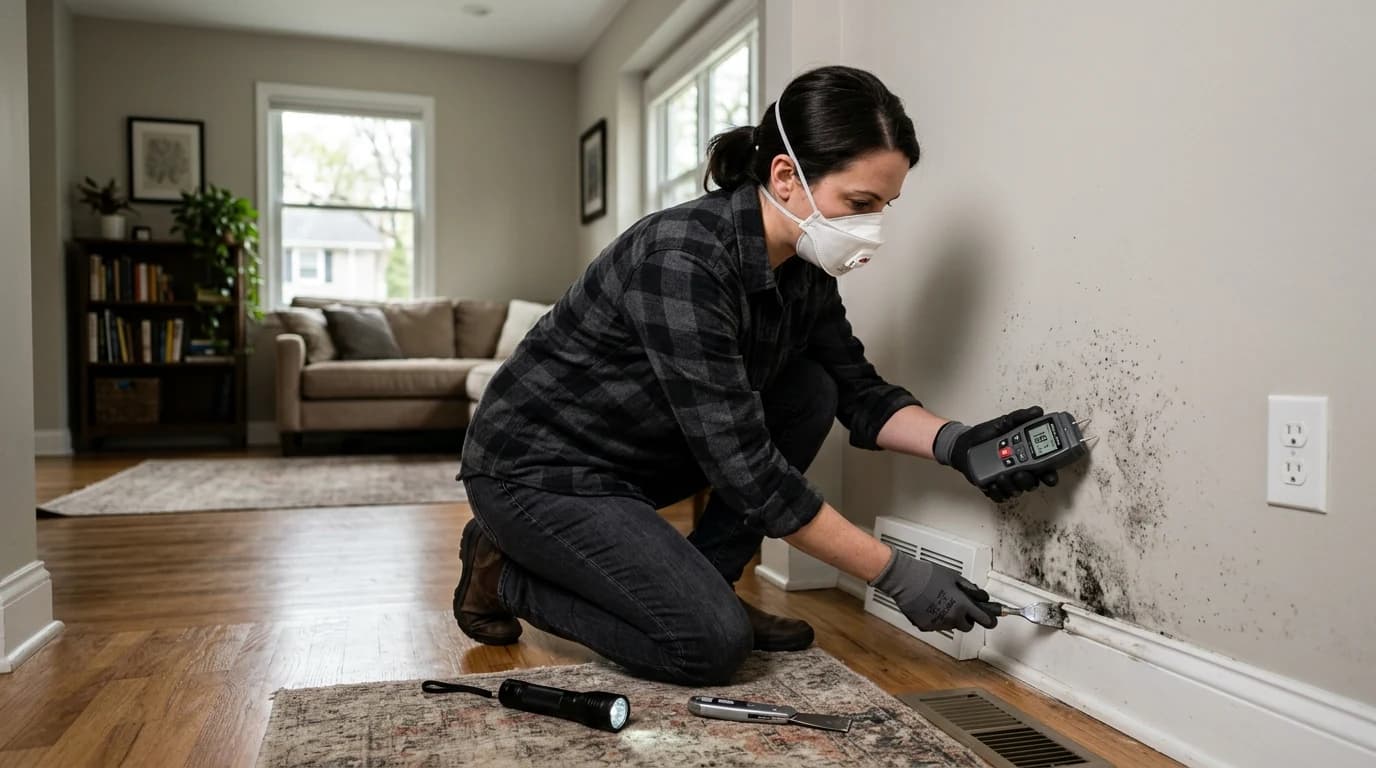
Mold can often be identified by discoloration on walls, ceilings, or floors. These discolorations might appear as spots or patches that are green, black, or white. Pay particular attention to areas that are prone to moisture, such as bathrooms, kitchens, and basements. In bathrooms, check around the shower, under sinks, and in corners for any unusual spots. Kitchens, especially around sinks and dishwashers, can also harbor mold if leaks occur. Basements, being naturally damp, are prime locations for mold growth, so inspect walls and floors regularly. Additionally, watch for peeling wallpaper, warped wood, or persistent water stains, as these could indicate mold presence. Regularly inspecting these areas and taking note of any changes can help catch mold early, preventing it from spreading to other parts of the house. In Glen Rock, where humidity can fluctuate with the seasons, maintaining vigilance is key.
What are the hidden signs of mold?
Sometimes, mold isn't immediately visible, making it more challenging to detect. One of the most common hidden signs of mold is a musty odor. This odor is often described as earthy or damp, and it can linger in the air even if you can't see mold. Pay attention to any persistent smells in your home, especially in areas that have experienced water damage or high humidity levels. For instance, if your basement or attic has a consistent musty smell, it could be a sign of hidden mold. Additionally, if you or your family members experience unexplained allergic reactions such as sneezing, coughing, or skin rashes, these could be related to mold exposure. If you suspect hidden mold, it’s wise to schedule a professional mold inspection to assess your property thoroughly. Professional inspectors have the tools and expertise to uncover mold that isn't visible to the naked eye, ensuring your home remains safe and healthy.
How can lifestyle changes help detect mold?
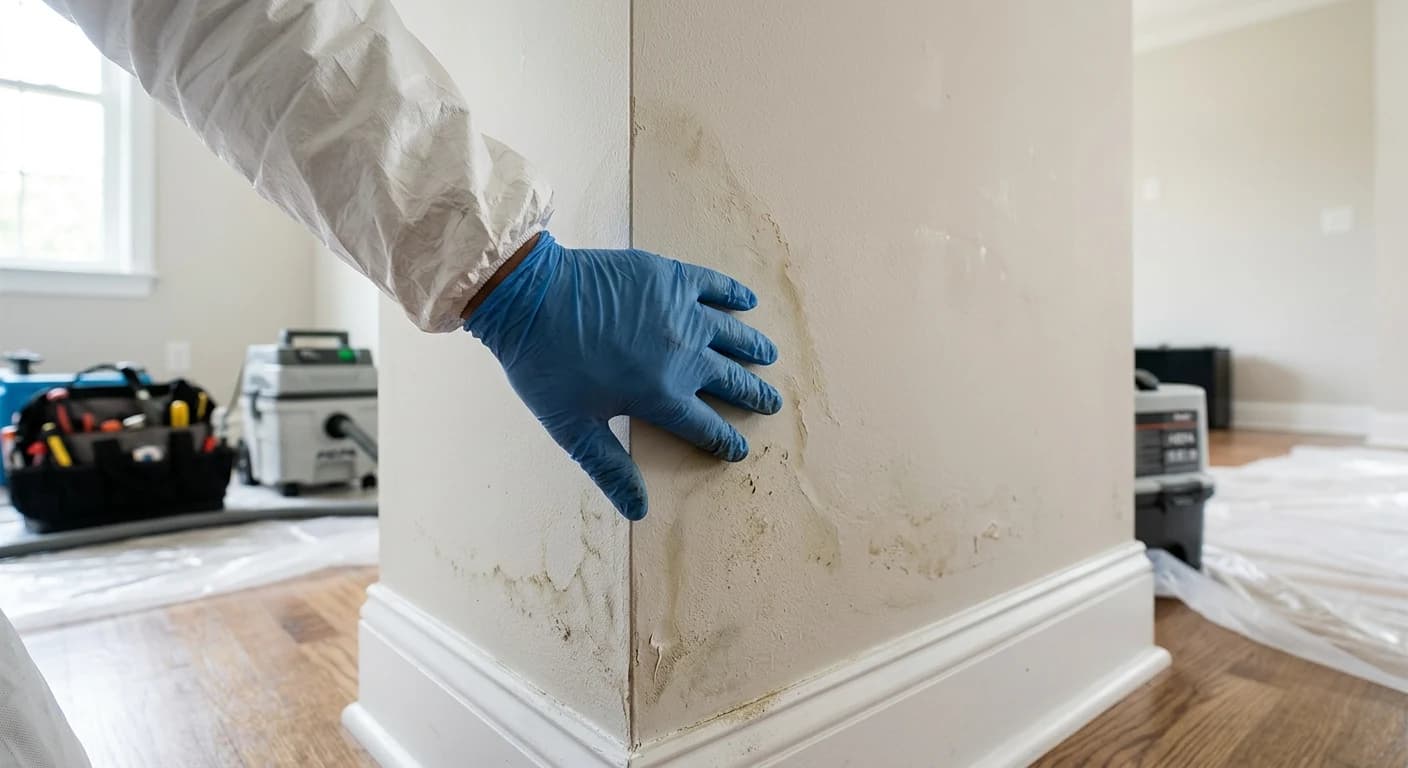
Being proactive about your home's maintenance can significantly help in detecting mold early. One of the most effective strategies is ensuring good ventilation in damp areas. Use exhaust fans in bathrooms and kitchens to reduce moisture levels. In basements, consider installing a dehumidifier to maintain a lower humidity level, ideally between 30-50%. Fixing leaks promptly is crucial, as even a small drip can lead to mold growth over time. Check under sinks, around toilets, and near appliances like washing machines for any signs of leakage. Additionally, routine cleaning and maintenance can reveal early signs of mold. As you clean, pay attention to areas that are often overlooked, such as behind furniture, under carpets, and inside closets. By maintaining a regular cleaning schedule, you can spot changes in your home environment and take action before mold becomes a significant problem. In areas like NJ, where seasonal humidity can vary, these lifestyle adjustments can make a substantial difference in preventing mold growth.
Why Regular Home Inspections Are Essential
Conducting regular home inspections is a proactive measure that can significantly aid in the early detection of mold. Start by scheduling a comprehensive inspection at least twice a year, ideally in the spring and fall when temperature and humidity changes are most pronounced. During these inspections, focus on areas that are susceptible to moisture buildup, such as roofs, gutters, and downspouts. Ensure that your roof is free from leaks and that gutters are clear of debris to prevent water from pooling and seeping into your home. Inside, inspect areas around windows and doors for any signs of water intrusion. Use a flashlight to check dark corners and behind large pieces of furniture where mold might grow unnoticed. Additionally, consider using moisture meters to measure the humidity levels in different rooms, aiming to keep them below 60%. By incorporating these inspections into your routine, you can identify potential mold problems early, saving both time and money on extensive remediation efforts.
Utilizing Technology to Detect Mold
Incorporating technology into your mold detection efforts can provide an extra layer of protection for your home. One useful tool is a hygrometer, which measures humidity levels and can alert you to conditions conducive to mold growth. Place hygrometers in areas like basements and bathrooms to monitor moisture levels consistently. Another valuable device is a thermal imaging camera, which can detect temperature variations that might indicate moisture buildup behind walls or ceilings. These cameras can reveal cold spots where water might be present, allowing you to address potential issues before mold becomes visible. Additionally, consider investing in smart home systems that include leak detectors. These devices can send alerts to your smartphone if they detect water in areas like under sinks or near water heaters. By leveraging these technologies, you can stay informed about your home's environmental conditions and take swift action to prevent mold from establishing itself, ensuring a healthier living space for you and your family.
Understanding the Health Implications of Mold Exposure
Mold exposure can have significant health impacts, especially for individuals with respiratory conditions or weakened immune systems. Inhaling mold spores can lead to a range of symptoms, including nasal congestion, throat irritation, coughing, and wheezing. For those with asthma, mold exposure can trigger more severe reactions, potentially leading to asthma attacks. It's important to be aware of these health implications, as they can often be the first indicator of mold presence in your home. If you notice a sudden increase in allergy symptoms or respiratory issues among your family members, it might be time to investigate further for potential mold growth. Additionally, prolonged exposure to mold can lead to more chronic health issues, such as persistent headaches and fatigue. If you're experiencing these symptoms without a clear cause, consider consulting a healthcare professional and conducting a mold inspection in your home. Early detection and removal are crucial in mitigating these health risks and maintaining a safe living environment.
Preventative Measures to Keep Mold at Bay
Preventing mold growth in the first place is the most effective strategy for maintaining a healthy home. Start by controlling moisture levels, as mold thrives in damp environments. Ensure that your home is well-ventilated by opening windows and using fans, particularly in areas prone to moisture like bathrooms and kitchens. Regularly check and repair any leaks in plumbing, roofs, or windows to prevent water accumulation. It's also beneficial to use mold-resistant products when renovating or building, such as mold-resistant drywall and paint. In areas like basements or crawl spaces, consider using a vapor barrier to reduce moisture infiltration. Additionally, keeping your home clean and free of clutter can help prevent mold from finding places to grow. Regularly clean and dry areas that are prone to moisture, such as shower curtains, bathroom tiles, and kitchen sinks. By taking these preventative steps, you can significantly reduce the risk of mold developing in your home, ensuring a healthier environment for you and your family.
How to Respond When You Find Mold
Discovering mold in your home can be alarming, but taking the right steps can help you manage the situation effectively. Firstly, assess the extent of the infestation. Small patches of mold, often less than 10 square feet, can typically be handled by homeowners using protective gear and mold removal products. Be sure to wear gloves, goggles, and a mask to avoid inhaling spores. Use a mixture of water and detergent to scrub away the mold, and ensure the area is thoroughly dried afterward to prevent recurrence. For larger infestations, or if the mold is located in HVAC systems or behind walls, it's advisable to hire a professional mold remediation service. They have the expertise and equipment to safely and effectively remove mold without spreading spores to other areas of your home. After removal, investigate the source of moisture that led to mold growth and address it promptly. This might involve fixing leaks, improving ventilation, or using dehumidifiers to maintain optimal humidity levels. Remember, timely and thorough action is crucial to prevent health risks and further damage to your property.
Legal and Insurance Considerations for Mold Damage
Dealing with mold can sometimes involve legal and insurance challenges, especially if you're a homeowner or landlord. Understanding your rights and responsibilities is crucial. In many regions, including New Jersey, landlords have a legal obligation to provide tenants with a habitable living environment, which includes addressing mold issues. If you're a tenant and discover mold, report it to your landlord promptly and in writing. Keep detailed records of all communications and any remediation efforts. For homeowners, checking your insurance policy is essential. Not all policies cover mold damage, especially if it's due to neglect or long-term moisture issues. However, if mold results from a covered peril, such as a burst pipe, you might be eligible for coverage. Contact your insurance provider to understand the specifics of your policy and the claims process. Additionally, if mold causes significant property damage or health issues, consulting with a legal professional can help you understand your options for seeking compensation or remediation. Being informed and proactive can help you navigate these complexities and ensure your home remains safe and healthy.