What are the immediate risks of untreated mold?
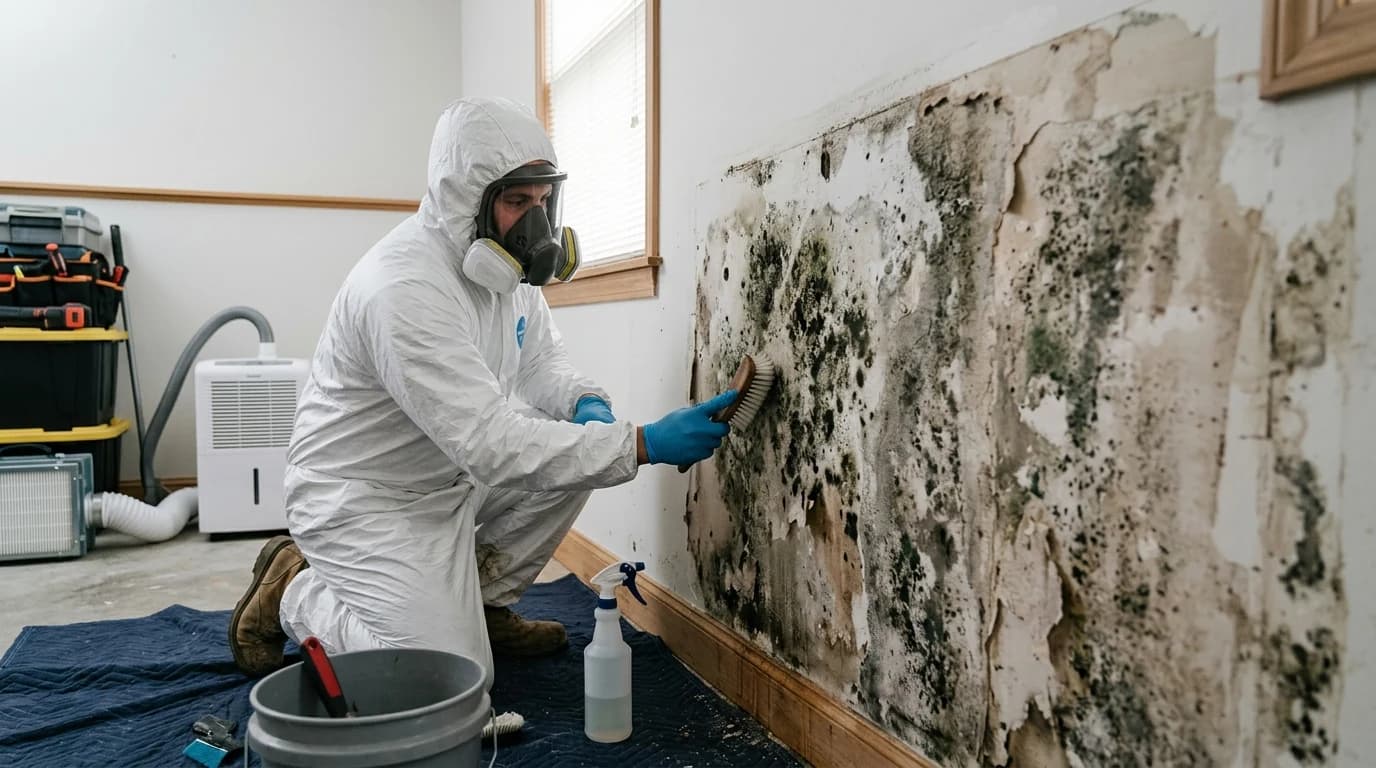
When mold is left unchecked, it can quickly spread throughout your home, damaging walls, floors, and ceilings. This not only depreciates the value of your property but also leads to costly repairs. Mold spores can infiltrate HVAC systems, spreading further and impacting indoor air quality. Addressing mold issues promptly with professional help can save significant time and money.
In the short term, mold can grow in areas with high moisture content, such as bathrooms, kitchens, and basements. When mold spores become airborne, they can settle in other areas, leading to a pervasive infestation. This can be particularly problematic in homes with older or compromised ventilation systems, as the spores circulate continuously, exacerbating the problem.
Furthermore, untreated mold can cause cosmetic damage, such as discoloration and staining on walls and ceilings. Over time, these small signs can escalate into severe damage, requiring extensive renovation efforts. Homeowners in Glen Rock should remain vigilant, especially after heavy rains or floods, which can increase the likelihood of mold growth.
In the short term, mold can grow in areas with high moisture content, such as bathrooms, kitchens, and basements. When mold spores become airborne, they can settle in other areas, leading to a pervasive infestation. This can be particularly problematic in homes with older or compromised ventilation systems, as the spores circulate continuously, exacerbating the problem.
Furthermore, untreated mold can cause cosmetic damage, such as discoloration and staining on walls and ceilings. Over time, these small signs can escalate into severe damage, requiring extensive renovation efforts. Homeowners in Glen Rock should remain vigilant, especially after heavy rains or floods, which can increase the likelihood of mold growth.
How does untreated mold affect health?
Mold exposure, particularly over prolonged periods, can cause a variety of health issues ranging from respiratory problems to chronic fatigue. Vulnerable populations, such as children, the elderly, and those with pre-existing health conditions, are at greater risk. Symptoms can include coughing, sneezing, skin irritation, and in severe cases, neurological issues. It’s crucial to contact a professional for mold remediation to protect your family’s health.
In addition to common symptoms, mold exposure can exacerbate asthma and other respiratory conditions. Individuals with compromised immune systems might experience more severe reactions, such as lung infections. Mold can also trigger allergic reactions, with symptoms like itchy eyes, runny nose, and even fever.
Psychological effects are also a concern. Living in a mold-infested environment can cause stress and anxiety, particularly if family members begin to experience unexplained health problems. Addressing mold promptly can alleviate these concerns and restore peace of mind. Homeowners should regularly inspect areas prone to moisture, such as bathrooms and kitchens, and ensure adequate ventilation to prevent mold growth.
In addition to common symptoms, mold exposure can exacerbate asthma and other respiratory conditions. Individuals with compromised immune systems might experience more severe reactions, such as lung infections. Mold can also trigger allergic reactions, with symptoms like itchy eyes, runny nose, and even fever.
Psychological effects are also a concern. Living in a mold-infested environment can cause stress and anxiety, particularly if family members begin to experience unexplained health problems. Addressing mold promptly can alleviate these concerns and restore peace of mind. Homeowners should regularly inspect areas prone to moisture, such as bathrooms and kitchens, and ensure adequate ventilation to prevent mold growth.

Can untreated mold lead to long-term consequences?
Over time, untreated mold can lead to irreversible structural damage in your home. The longer mold is allowed to grow, the more it weakens the materials that form the building’s structure. This can lead to issues with insulation, structural integrity, and more. In Glen Rock, homes are particularly susceptible due to the seasonal humidity, making it vital to address mold problems as soon as they are detected.
Long-term exposure to mold can degrade wooden structures, weakening beams and supports that are crucial to a home’s integrity. This can result in sagging floors, warped walls, and even ceiling collapse in extreme cases. Mold can also compromise the efficiency of insulation, leading to increased energy costs as heating and cooling systems work harder to maintain comfortable indoor temperatures.
Financially, the longer mold is left untreated, the more costly the remediation process becomes. Insurance may not cover damage caused by neglect, leaving homeowners with significant out-of-pocket expenses. To prevent such scenarios, regular maintenance and prompt attention to water leaks or damp areas are essential. Engaging professional services for regular inspections can help detect mold early and mitigate long-term risks. For more information on professional mold removal services, visit our services page.
Long-term exposure to mold can degrade wooden structures, weakening beams and supports that are crucial to a home’s integrity. This can result in sagging floors, warped walls, and even ceiling collapse in extreme cases. Mold can also compromise the efficiency of insulation, leading to increased energy costs as heating and cooling systems work harder to maintain comfortable indoor temperatures.
Financially, the longer mold is left untreated, the more costly the remediation process becomes. Insurance may not cover damage caused by neglect, leaving homeowners with significant out-of-pocket expenses. To prevent such scenarios, regular maintenance and prompt attention to water leaks or damp areas are essential. Engaging professional services for regular inspections can help detect mold early and mitigate long-term risks. For more information on professional mold removal services, visit our services page.
Preventive Measures to Combat Mold Growth
Taking proactive steps to prevent mold growth is essential for maintaining a healthy home environment. One of the most effective strategies is controlling the humidity levels within your home. Using dehumidifiers in areas prone to dampness, such as basements and bathrooms, can significantly reduce the likelihood of mold development. Aim to keep indoor humidity below 60%, ideally between 30% and 50%, to deter mold spores from thriving.
Regularly inspecting and maintaining your home's plumbing system is also crucial. Leaky pipes or faucets can create the perfect breeding ground for mold. Ensure that any leaks are promptly repaired and consider insulating pipes to prevent condensation. Additionally, proper ventilation is key; ensure that exhaust fans are functioning effectively in kitchens and bathrooms to expel moisture-laden air.
Another preventive measure is to use mold-resistant products during home renovations. Mold-resistant drywall and paints can provide an extra layer of protection, particularly in moisture-prone areas. For residents of Glen Rock, where seasonal changes can influence indoor humidity, these precautions are especially pertinent. By integrating these preventive strategies into your routine home maintenance, you can significantly reduce the risk of mold growth and protect your property from potential damage.
Regularly inspecting and maintaining your home's plumbing system is also crucial. Leaky pipes or faucets can create the perfect breeding ground for mold. Ensure that any leaks are promptly repaired and consider insulating pipes to prevent condensation. Additionally, proper ventilation is key; ensure that exhaust fans are functioning effectively in kitchens and bathrooms to expel moisture-laden air.
Another preventive measure is to use mold-resistant products during home renovations. Mold-resistant drywall and paints can provide an extra layer of protection, particularly in moisture-prone areas. For residents of Glen Rock, where seasonal changes can influence indoor humidity, these precautions are especially pertinent. By integrating these preventive strategies into your routine home maintenance, you can significantly reduce the risk of mold growth and protect your property from potential damage.
When to Seek Professional Mold Remediation Services
Recognizing when to call in professional mold remediation services is crucial to effectively addressing mold issues. While small patches of mold on non-porous surfaces can often be cleaned using household cleaners, larger infestations require expert intervention. If you notice extensive mold growth, particularly in areas exceeding 10 square feet, it's time to contact a professional.
Professionals have the expertise and equipment to safely remove mold, preventing it from spreading further. They can conduct thorough inspections to identify hidden mold, which often lurks behind walls, under flooring, or in HVAC systems. Attempting to remove large mold infestations on your own can inadvertently release more spores into the air, exacerbating the problem and posing health risks.
In cases where mold is a result of water damage from flooding or significant leaks, professional remediation is essential. These situations often involve complex issues that require specialized treatment to fully resolve. Additionally, if household members are experiencing persistent health issues that could be linked to mold exposure, such as respiratory problems or allergic reactions, seeking professional help is advisable. By engaging experts, you ensure that mold is thoroughly eradicated and that preventive measures are implemented to avoid future occurrences.
Professionals have the expertise and equipment to safely remove mold, preventing it from spreading further. They can conduct thorough inspections to identify hidden mold, which often lurks behind walls, under flooring, or in HVAC systems. Attempting to remove large mold infestations on your own can inadvertently release more spores into the air, exacerbating the problem and posing health risks.
In cases where mold is a result of water damage from flooding or significant leaks, professional remediation is essential. These situations often involve complex issues that require specialized treatment to fully resolve. Additionally, if household members are experiencing persistent health issues that could be linked to mold exposure, such as respiratory problems or allergic reactions, seeking professional help is advisable. By engaging experts, you ensure that mold is thoroughly eradicated and that preventive measures are implemented to avoid future occurrences.
The Impact of Mold on Indoor Air Quality
Mold spores are microscopic and can easily become airborne, significantly affecting indoor air quality. Once mold begins to grow in a home, its spores can be released into the air, leading to a decrease in air quality. This is particularly concerning for individuals with respiratory issues or allergies, as inhaling these spores can trigger symptoms such as coughing, wheezing, and throat irritation. To maintain a healthy indoor environment, it is essential to address mold issues promptly.
One effective way to improve air quality is by ensuring that your home is well-ventilated. This can be achieved by regularly opening windows to allow fresh air to circulate and by using exhaust fans in areas prone to moisture, such as kitchens and bathrooms. Additionally, air purifiers equipped with HEPA filters can capture mold spores and other allergens, reducing their presence in the air.
Regular cleaning and maintenance can also help keep mold at bay. This includes promptly fixing leaks, cleaning gutters to prevent water buildup, and ensuring that HVAC systems are regularly serviced. For residents in areas like Glen Rock, where seasonal changes can lead to fluctuating indoor humidity levels, these measures are particularly important. By taking these steps, homeowners can significantly improve their indoor air quality and reduce the health risks associated with mold exposure.
One effective way to improve air quality is by ensuring that your home is well-ventilated. This can be achieved by regularly opening windows to allow fresh air to circulate and by using exhaust fans in areas prone to moisture, such as kitchens and bathrooms. Additionally, air purifiers equipped with HEPA filters can capture mold spores and other allergens, reducing their presence in the air.
Regular cleaning and maintenance can also help keep mold at bay. This includes promptly fixing leaks, cleaning gutters to prevent water buildup, and ensuring that HVAC systems are regularly serviced. For residents in areas like Glen Rock, where seasonal changes can lead to fluctuating indoor humidity levels, these measures are particularly important. By taking these steps, homeowners can significantly improve their indoor air quality and reduce the health risks associated with mold exposure.
Understanding the Costs of Mold Remediation
Mold remediation can be a costly process, but understanding the factors that influence these costs can help homeowners make informed decisions. The extent of the mold infestation is a primary determinant of remediation costs. Smaller, localized mold issues may be resolved with minimal expense, whereas widespread infestations that have penetrated walls or flooring can require extensive work and higher costs.
Another factor is the location of the mold. Mold that is easily accessible, such as on bathroom tiles, is generally less expensive to remediate than mold that has infiltrated behind walls or in HVAC systems. The materials affected also play a role; for example, mold on drywall or wood may necessitate replacement of these materials, adding to the overall cost.
Homeowners should also consider the potential long-term savings of professional remediation. While the initial costs may seem high, addressing mold issues promptly can prevent further damage to the home’s structure, avoiding more expensive repairs down the line. Additionally, professional services often include preventive measures to reduce the likelihood of future mold growth, providing peace of mind and protecting the home’s value. By understanding these cost factors, homeowners can better plan for remediation expenses and prioritize their home’s health and safety.
Another factor is the location of the mold. Mold that is easily accessible, such as on bathroom tiles, is generally less expensive to remediate than mold that has infiltrated behind walls or in HVAC systems. The materials affected also play a role; for example, mold on drywall or wood may necessitate replacement of these materials, adding to the overall cost.
Homeowners should also consider the potential long-term savings of professional remediation. While the initial costs may seem high, addressing mold issues promptly can prevent further damage to the home’s structure, avoiding more expensive repairs down the line. Additionally, professional services often include preventive measures to reduce the likelihood of future mold growth, providing peace of mind and protecting the home’s value. By understanding these cost factors, homeowners can better plan for remediation expenses and prioritize their home’s health and safety.